
From Preparation to Recovery, We’re Here to Help
From Preparation to Recovery, We’re Here to Help
A colonoscopy is an important tool for examining the colon and rectum and can play an important role in colorectal cancer screening. Understanding the process can make your experience easier and help you know what to expect at each stage.
Our team provides guidance throughout the process, from preparing for your procedure to recovery and understanding your results.
01
Before Your Procedure
Proper preparation is an important part of having a successful colonoscopy. Before your appointment, you will receive instructions explaining how to prepare for the procedure.
Your preparation may include specific instructions about your diet, bowel preparation, medications, and when you should stop eating or drinking.
- Follow your preparation and dietary instructions.
- Complete your bowel preparation as directed.
- Discuss medications with your healthcare team.
- Arrange transportation home after the procedure.
02
During Your Procedure
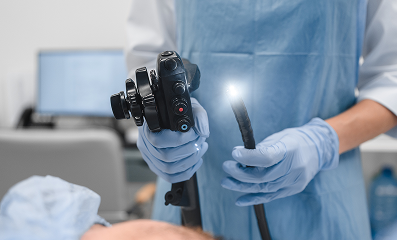
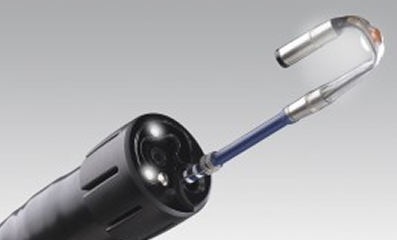
During a colonoscopy, your gastroenterologist uses a flexible instrument called a colonoscope to examine the lining of the colon and rectum.
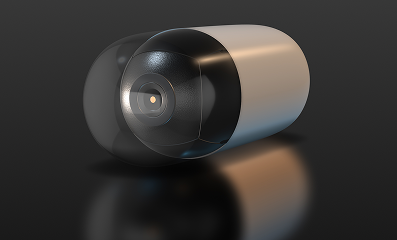
The colonoscope contains a small camera that allows your doctor to look for polyps, inflammation, bleeding, and other abnormalities.
When appropriate, your physician may remove a polyp or collect a tissue sample for additional evaluation.
- Examination of the colon and rectum.
- Identification of polyps or other abnormalities.
- Removal of polyps when appropriate.
- Biopsy or tissue sampling when needed.
03
After Your Procedure
After your colonoscopy, you will spend time in a recovery area while the effects of any medication used during the procedure wear off.
Your care team will provide instructions about recovery, eating and drinking, medications, and when you can return to your normal activities.
Your doctor will also explain the findings of your colonoscopy and discuss any recommended follow-up care.
- Rest and recover after your procedure.
- Follow your doctor’s post-procedure instructions.
- Have someone drive you home as instructed.
- Review your results and recommended follow-up care.